
7月
夏の気配を感じる頃
「食の散歩道」で味わった
在来きゅうり
宝谷の食卓に並んだのは
山形、石川、群馬から集まった
六つの在来きゅうり
夏の気配を感じる頃
「食の散歩道」で味わった
在来きゅうり
宝谷の食卓に並んだのは
山形、石川、群馬から集まった
六つの在来きゅうり
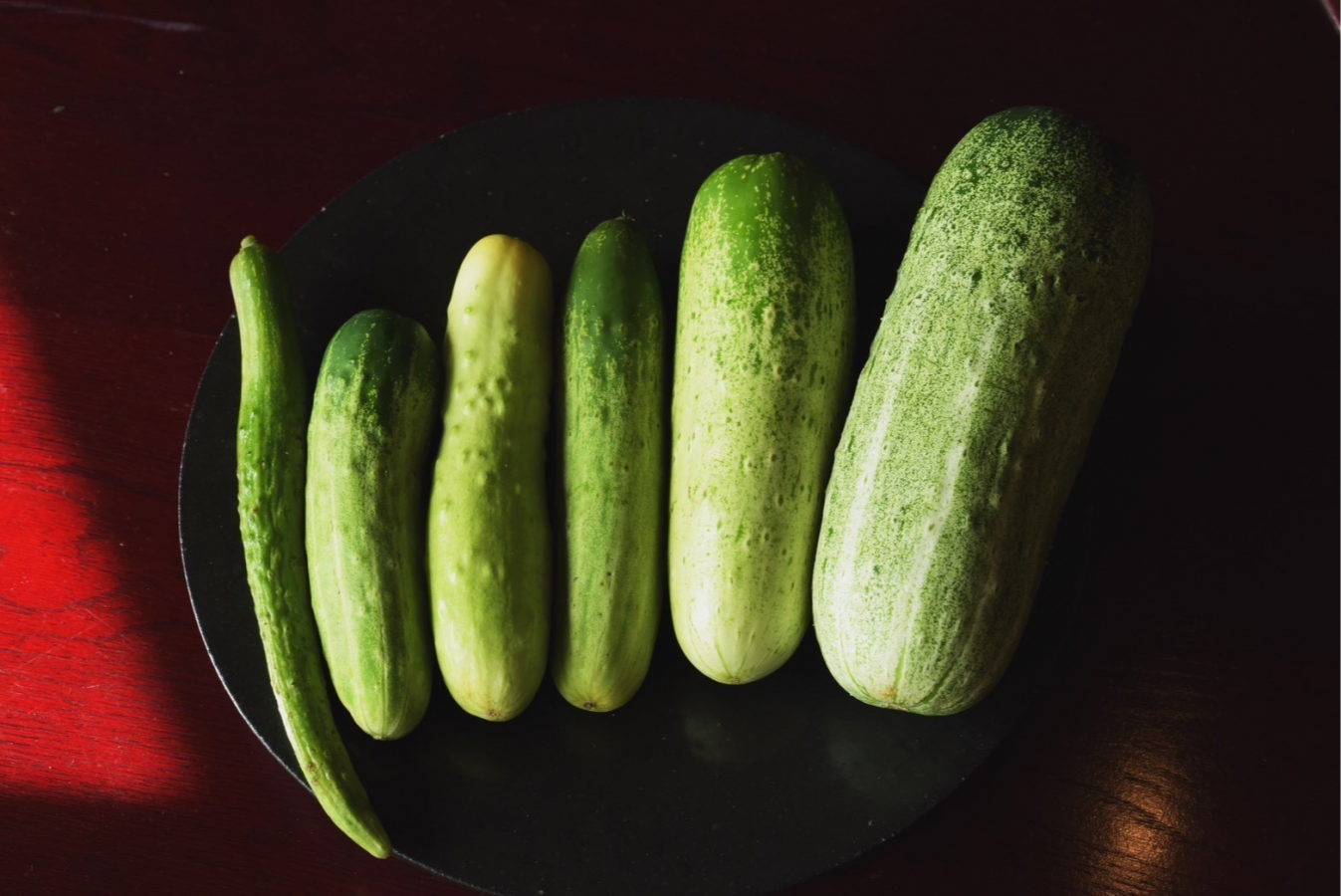
山形から
外内島、勘次郎、與治兵衛、畔藤きゅうり
石川から
加賀太きゅうり
群馬から
高山きゅうり
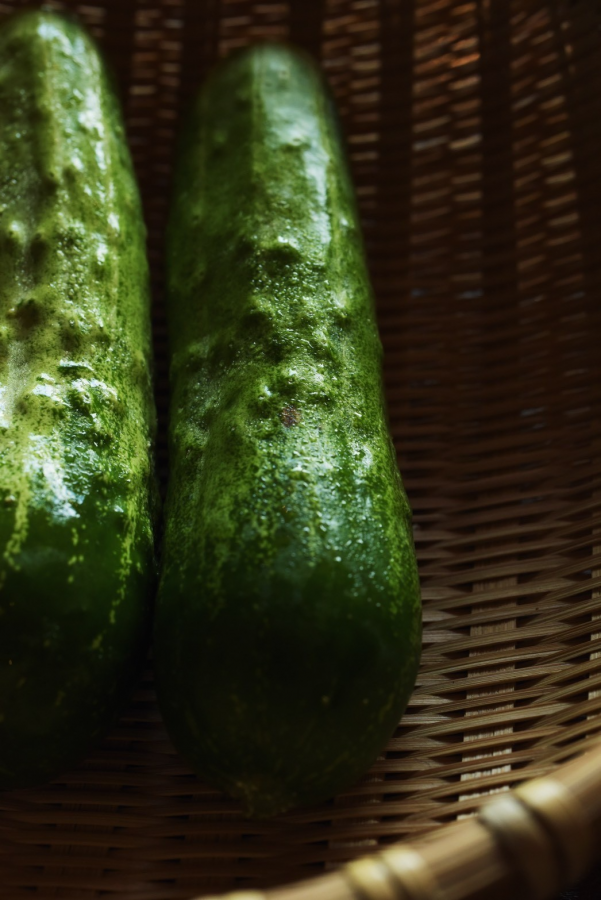
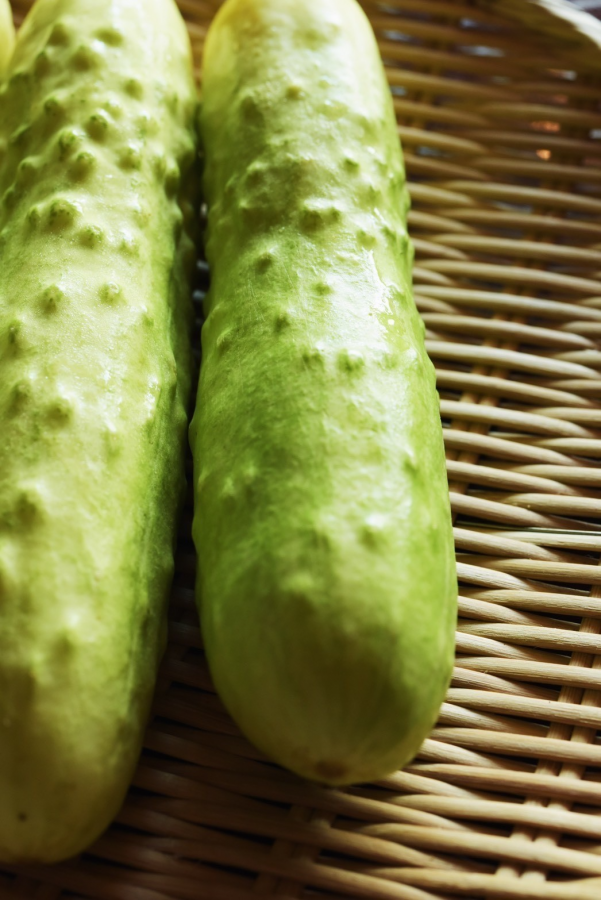
同じ「きゅうり」という名前を持ちながら
かたちも、いぼの表情も
香りも、歯ざわりも、それぞれに違う
外内島、勘次郎、與治兵衛、畔藤きゅうり
石川から
加賀太きゅうり
群馬から
高山きゅうり
同じ「きゅうり」という名前を持ちながら
かたちも、いぼの表情も
香りも、歯ざわりも、それぞれに違う
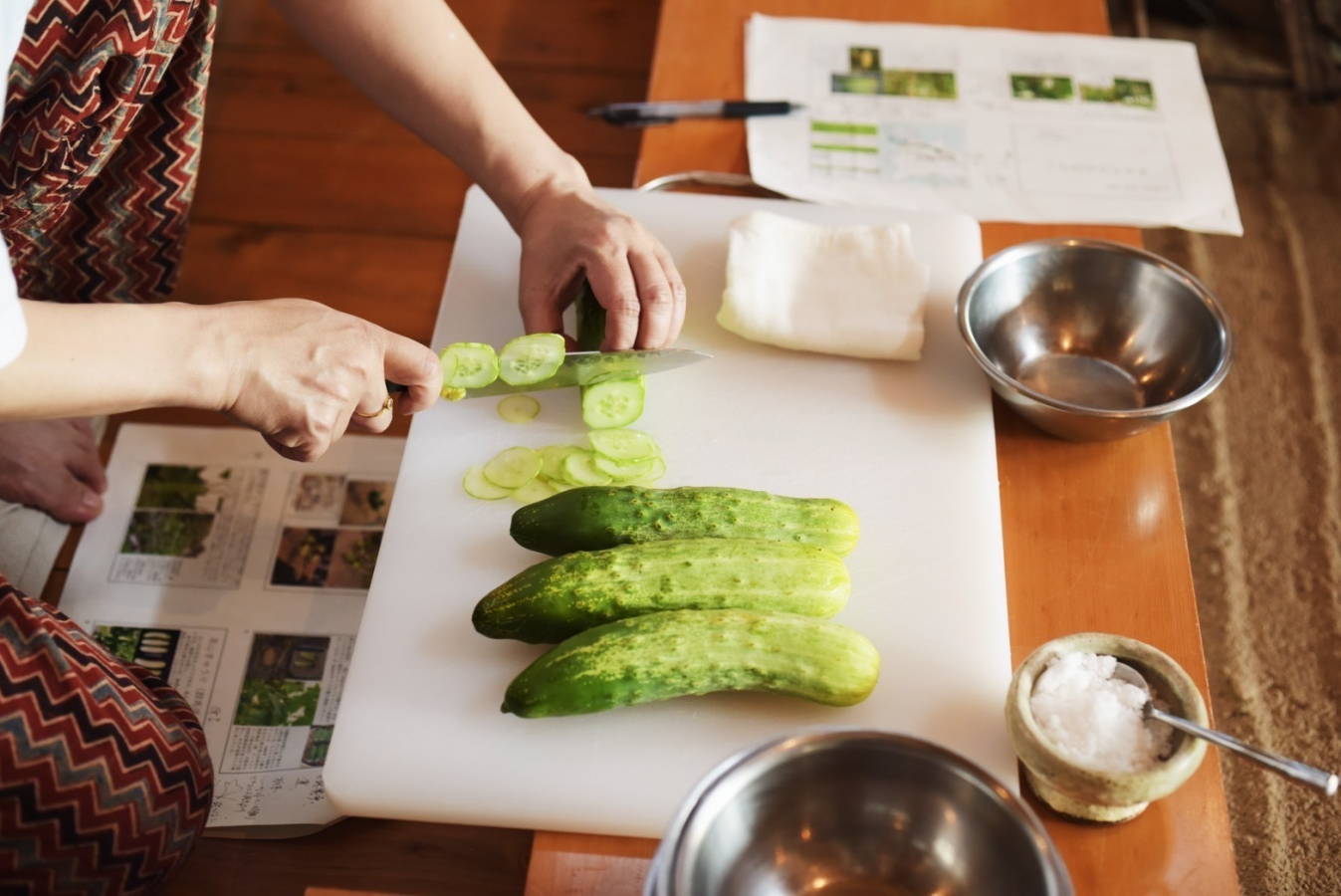
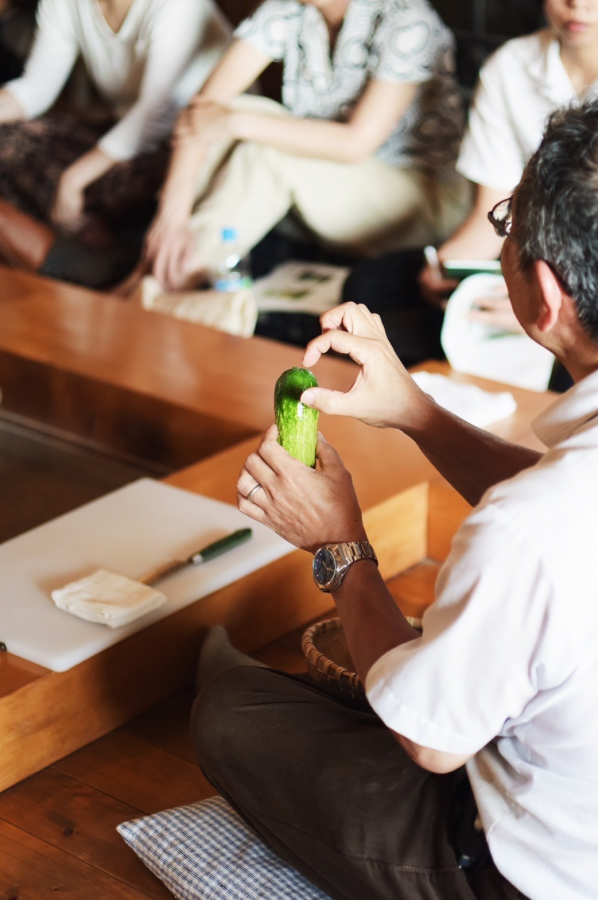
一本ずつ切り分け
見て、触れて、口に運ぶ
見て、触れて、口に運ぶ
違いを味わいながら
種の来歴やルーツ
それぞれの土地で受け継がれてきた
物語にも耳を傾ける
「昔は、この味だった」
その記憶を手がかりに
何度も育て、食べ比べ、選びながら、
その土地らしい味を探し続ける生産者
在来種は
ただ昔から残ってきた種ではない
その土地で育ち
食べられ、選ばれ
また種を採る
そんな営みが何度も繰り返される中で
土地の気候や風土とともに
味やかたちが受け継がれてきた
種の来歴やルーツ
それぞれの土地で受け継がれてきた
物語にも耳を傾ける
「昔は、この味だった」
その記憶を手がかりに
何度も育て、食べ比べ、選びながら、
その土地らしい味を探し続ける生産者
在来種は
ただ昔から残ってきた種ではない
その土地で育ち
食べられ、選ばれ
また種を採る
そんな営みが何度も繰り返される中で
土地の気候や風土とともに
味やかたちが受け継がれてきた
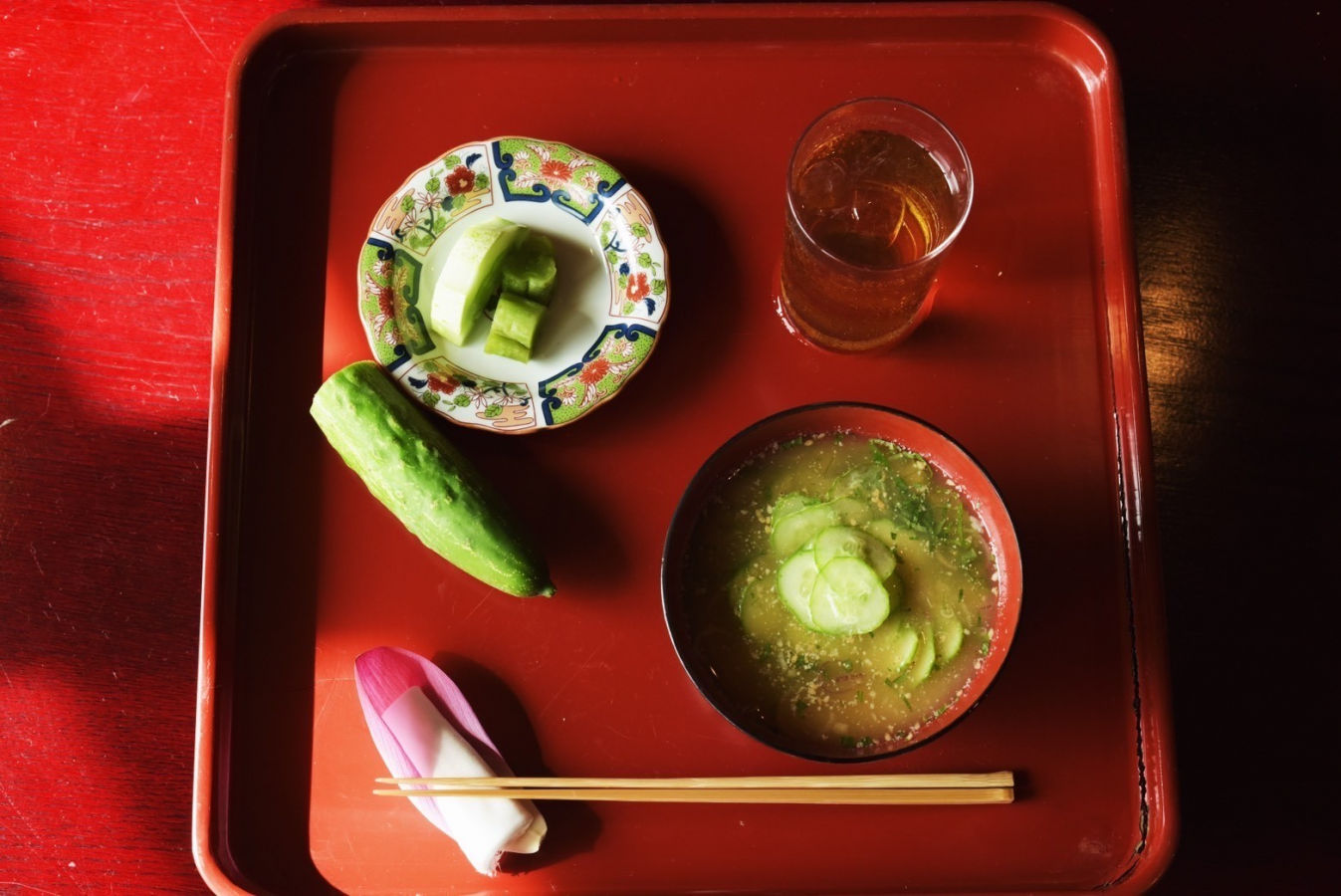
私たちが口にした
ひと切れのきゅうり
そこには
土地の記憶だけではなく
その味を未来へ手渡そうとする
人の時間も込められている
種を継ぐ
それは
種を残すことだけではなく
その土地で育まれてきた味や
食べる人の記憶
つくる人の知恵を
次へ手渡していくことなのかもしれない
在来作物を味わうことは
その土地の時間を味わうこと
ひとつのきゅうりから
その土地で暮らしてきた人たちの姿が
少しずつ見えてくる
食べることは
土地を知ること
そして
その土地の記憶を
次へつないでいくこと
種から種へ
ひと切れのきゅうり
そこには
土地の記憶だけではなく
その味を未来へ手渡そうとする
人の時間も込められている
種を継ぐ
それは
種を残すことだけではなく
その土地で育まれてきた味や
食べる人の記憶
つくる人の知恵を
次へ手渡していくことなのかもしれない
在来作物を味わうことは
その土地の時間を味わうこと
ひとつのきゅうりから
その土地で暮らしてきた人たちの姿が
少しずつ見えてくる
食べることは
土地を知ること
そして
その土地の記憶を
次へつないでいくこと
種から種へ
食の散歩道
次回は
夏の終わり、季節をいただく精進の食卓へ
—————
From Seed to Seed
In July,
as summer begins to make its presence felt,
we tasted heirloom cucumbers
at A Walk Through Food.
At the table in Hōya were
six varieties of heirloom cucumbers,
brought together from Yamagata, Ishikawa, and Gunma.
From Yamagata:
Sotouchijima, Kanjiro, Yojihei, and Kurofuji cucumbers.
From Ishikawa:
Kaga-futo cucumber.
From Gunma:
Takayama cucumber.
Though they all share the same name—cucumber—
their shapes, the character of their bumps,
their aromas, and their textures
were each distinctly their own.
We sliced them one by one,
looked at them, touched them,
and tasted them.
As we experienced their differences,
we also listened to the stories
of their origins and roots,
and of how they have been passed down
in each of their respective places.
“This is how they used to taste.”
Guided by such memories,
the growers continue to cultivate,
compare, and select their cucumbers,
searching for the taste that belongs
to their particular land.
Heirloom varieties
are not simply seeds that have survived from the past.
They are grown in a particular place,
eaten, selected,
and their seeds gathered again.
Through this cycle, repeated over generations,
their flavors and forms have been carried forward
alongside the climate and character of the land.
In the single slice of cucumber
we tasted that day,
there was not only the memory of a place,
but also the time and care of the people
who are trying to carry its taste
into the future.
To carry on a seed
is not simply to preserve it.
It is also to pass forward
the flavors nurtured by the land,
the memories of those who eat them,
and the knowledge of those who grow them.
To taste heirloom crops
is to taste the passage of time in a place.
Through a single cucumber,
we begin to glimpse, little by little,
the people who have lived
and cultivated their lives there.
To eat is to know the land.
And to carry its memory forward.
From seed to seed.
Passing on seeds, passing on handwork.
A Walk Through Food
Next time,
A seasonal table of shojin cuisine,
welcoming the end of summer.
文:かわしま ともこ
写真:山代森
次回は
夏の終わり、季節をいただく精進の食卓へ
—————
From Seed to Seed
In July,
as summer begins to make its presence felt,
we tasted heirloom cucumbers
at A Walk Through Food.
At the table in Hōya were
six varieties of heirloom cucumbers,
brought together from Yamagata, Ishikawa, and Gunma.
From Yamagata:
Sotouchijima, Kanjiro, Yojihei, and Kurofuji cucumbers.
From Ishikawa:
Kaga-futo cucumber.
From Gunma:
Takayama cucumber.
Though they all share the same name—cucumber—
their shapes, the character of their bumps,
their aromas, and their textures
were each distinctly their own.
We sliced them one by one,
looked at them, touched them,
and tasted them.
As we experienced their differences,
we also listened to the stories
of their origins and roots,
and of how they have been passed down
in each of their respective places.
“This is how they used to taste.”
Guided by such memories,
the growers continue to cultivate,
compare, and select their cucumbers,
searching for the taste that belongs
to their particular land.
Heirloom varieties
are not simply seeds that have survived from the past.
They are grown in a particular place,
eaten, selected,
and their seeds gathered again.
Through this cycle, repeated over generations,
their flavors and forms have been carried forward
alongside the climate and character of the land.
In the single slice of cucumber
we tasted that day,
there was not only the memory of a place,
but also the time and care of the people
who are trying to carry its taste
into the future.
To carry on a seed
is not simply to preserve it.
It is also to pass forward
the flavors nurtured by the land,
the memories of those who eat them,
and the knowledge of those who grow them.
To taste heirloom crops
is to taste the passage of time in a place.
Through a single cucumber,
we begin to glimpse, little by little,
the people who have lived
and cultivated their lives there.
To eat is to know the land.
And to carry its memory forward.
From seed to seed.
Passing on seeds, passing on handwork.
A Walk Through Food
Next time,
A seasonal table of shojin cuisine,
welcoming the end of summer.
文:かわしま ともこ
写真:山代森